How to Plan a Cosmetics Product Photography Shoot
A cosmetics shoot might involve a clean photograph of a bottle, a close-up of a cream texture, or a colourful advertising image with several products. Often, a brand needs a mixture of all three.
The main thing is to work out what the images need to do before deciding how they should look. A product page has different requirements from a campaign banner, even when both feature the same moisturiser.
I photograph cosmetics, skincare, makeup and fragrance products at my South London studio. Here are the things I find most useful to discuss when planning a shoot.
Start with where the images will be used
Before putting together a shot list, think about where the photographs will appear. Are they for your website, a retailer’s product pages, paid social advertising, print or a new product launch?
This affects how we compose and photograph them. A website banner may need space for a headline. A product listing might require a plain background and consistent angles across the range. Social content often needs portrait crops, with the product still clearly visible on a smaller screen.
If several formats are needed, it helps to know this from the start. We can allow room for different crops or shoot separate compositions where necessary.
It is also worth confirming the intended usage when requesting a quote, including paid advertising, territories and how long the campaign will run.
Decide which types of photography you need
A useful cosmetics image library usually includes a combination of photographs, each with a specific purpose.
Clean product photography and packshots
These show the packaging clearly: its shape, colour, label and finish. They are particularly useful for ecommerce and retailer listings, where customers need to see exactly what they are buying.
Consistency matters across a range. Camera angle, product size within the frame, lighting and background should all work together, especially when the images will sit alongside one another.
Creative product images
Creative still-life photography gives us more room to develop the visual identity of the brand. Colour, props, backgrounds and lighting can help communicate a particular mood or product characteristic.
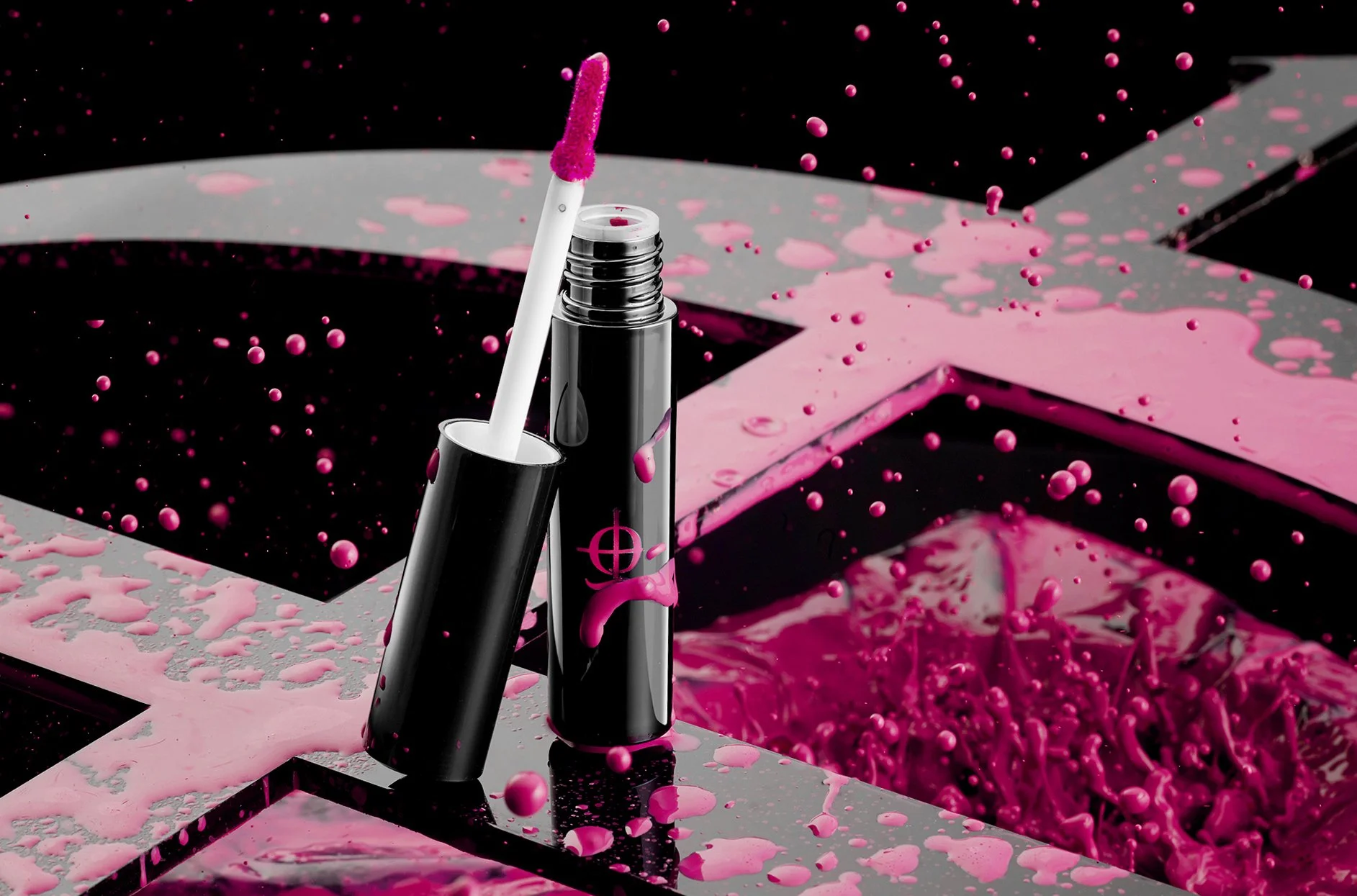
That might mean a fresh, bright setup for skincare, bold colour for makeup, or a quieter approach for a fragrance. The styling should have a reason behind it and leave the product easy to understand.
Swatches and textures
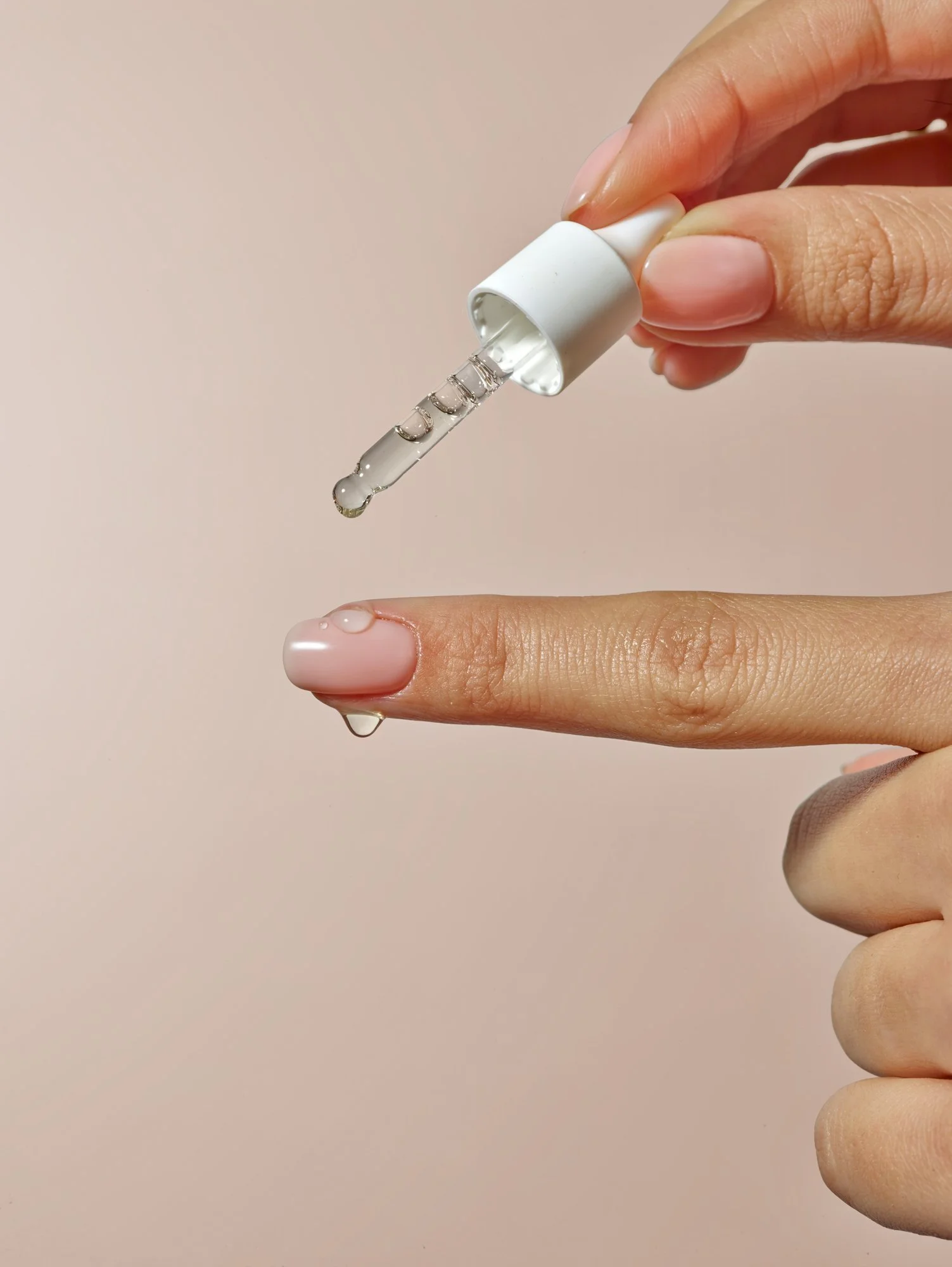
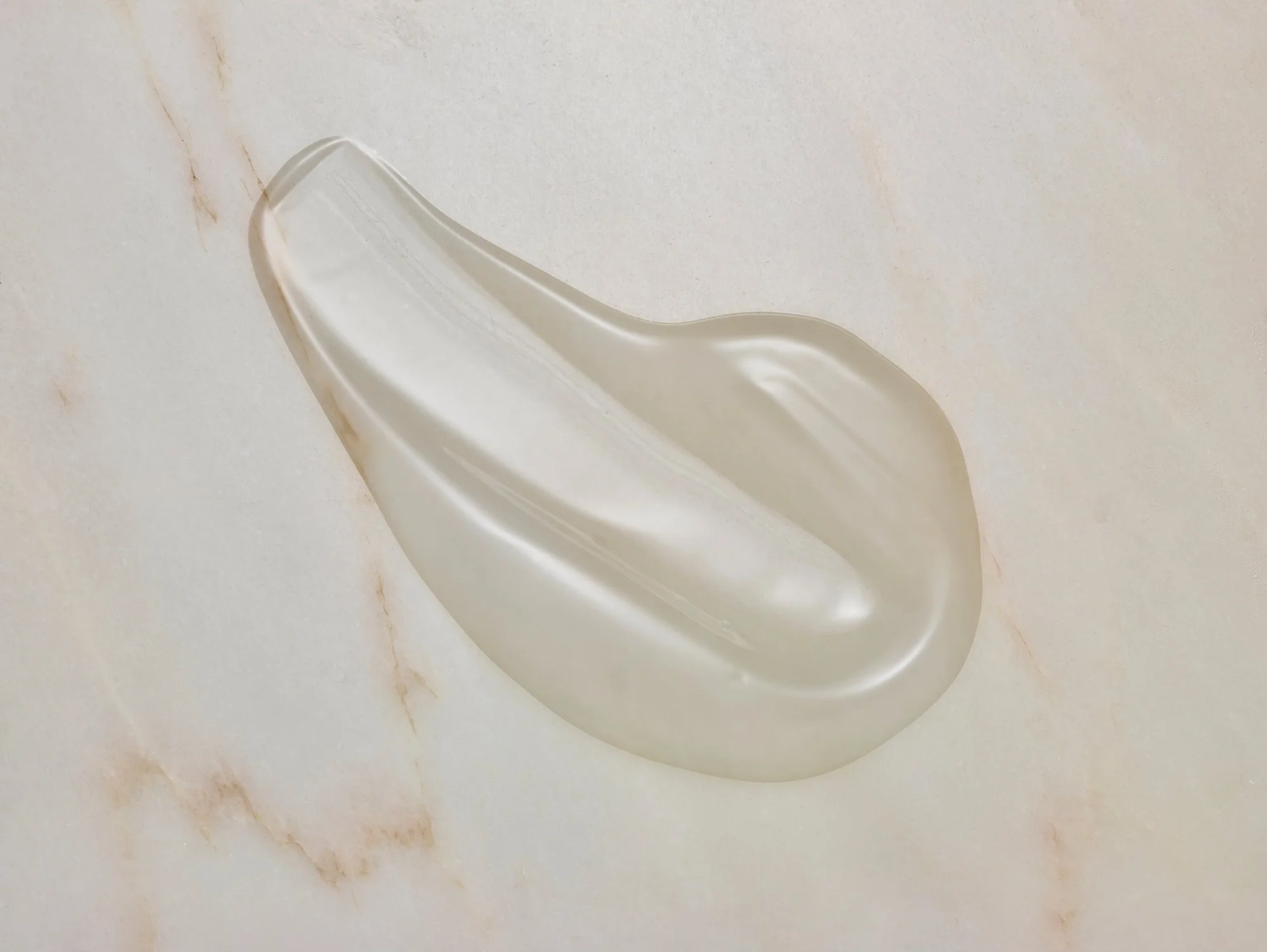
Swatches can show something that the packaging alone cannot: the actual colour, texture and finish of the product.
A foundation, lipstick, gel or moisturiser will behave differently when spread, shaped or applied. Some products hold their form well, while others settle quickly or need several attempts to get the right result.
Having recently photographed a lot of swatches, I know how much attention these small details need. The shape of a smear, the thickness of a cream and the direction of the light can all change how the product appears.
For a range of shades, we also need a consistent approach so the images feel like a set, while keeping the differences between the products visible. Colour accuracy is especially important here.
Hands, models and application photography
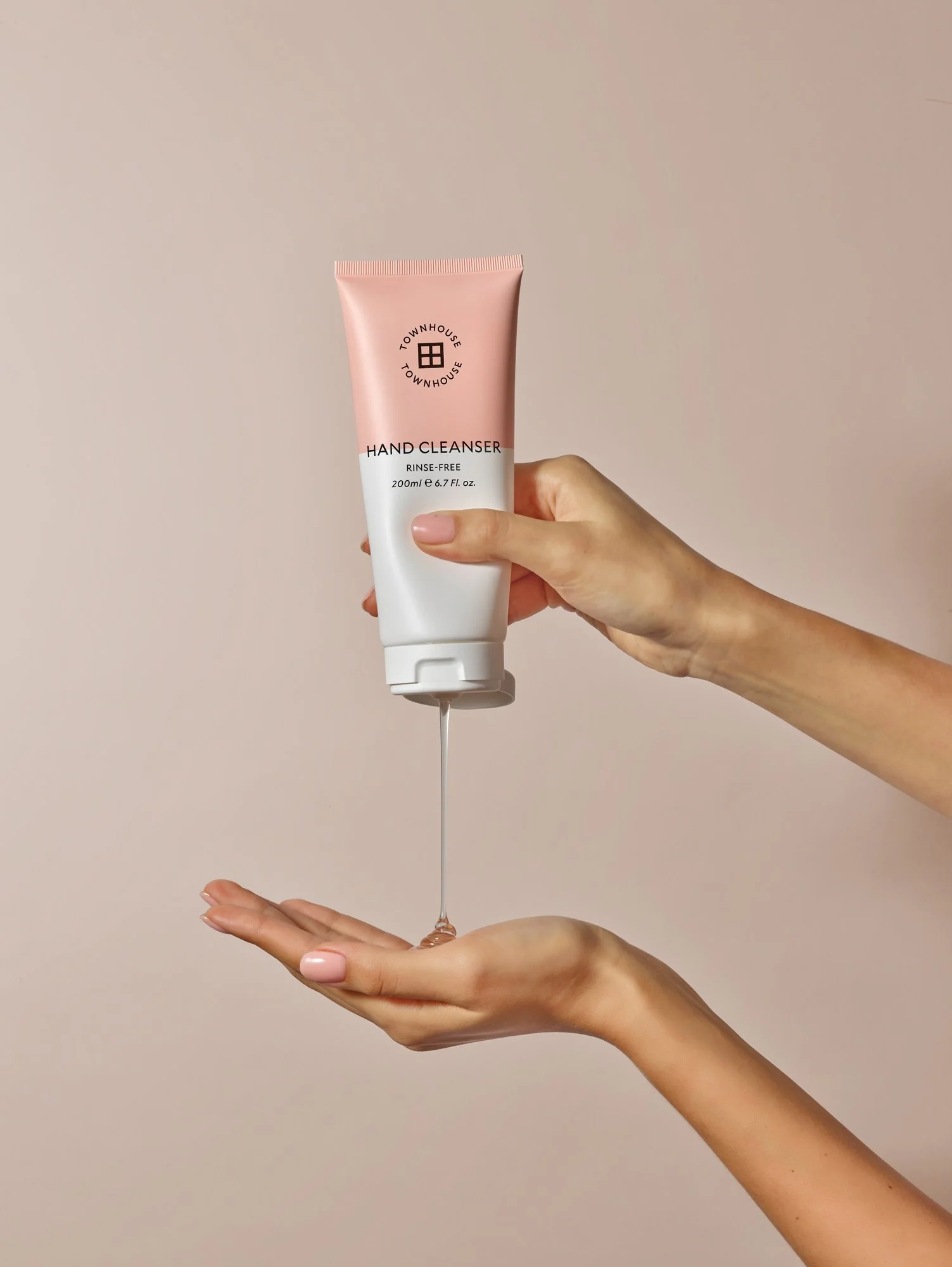
Application images help show how a product is used. Depending on the brief, this could involve a hand holding the packaging, skincare being applied, or a fuller beauty image with a model.
Hands and close details can work well when the product is the main focus. A recognisable model may be more suitable when expression, skin, hair or the wider campaign story matters.
Model photography adds production requirements. Casting, grooming, hair and makeup, wardrobe and usage all need to be considered. It is worth discussing these early so we can choose an approach that suits the brief and budget.
Put together a clear brief and realistic shot list
You do not need a finished creative treatment before getting in touch. A short explanation of the project, the products involved and a few visual references is a good starting point.
The most useful details are:
Which products and shades need photographing.
The types of images required.
Where the images will be used.
Any brand guidelines, colours or layouts we need to follow.
Your deadline and an indication of budget.
Whether you need props, styling, models or video.
Try to distinguish between a different photograph and a different crop of the same photograph. One hero image supplied in portrait and landscape is a different task from creating two separate setups.
The number of products also does not tell us everything about the time required. Several packshots using one lighting setup may be straightforward to organise. A small selection of advertising images with different sets, liquids and swatches can involve much more preparation and shooting time.
Choose references that explain what you like
Reference images are helpful, but it is useful to say what appeals to you about them.
Is it the colour palette, the lighting, the arrangement of the products or the way a texture has been photographed? Sometimes a client likes the overall feel of an image but would want very different props or backgrounds.
A small, considered selection is usually easier to work from than a large board containing several competing styles. We can use those references to develop a direction that fits your own products and brand.
Prepare the products and send enough samples
Packaging imperfections become very noticeable under studio lighting, particularly in close-up photographs. Check products for scratches, damaged labels, uneven printing and marks before sending them.
Where possible, supply spare packaging and more than one sample of each product. This is especially helpful if we are opening products, photographing swatches or working with liquids.
For swatches, allow enough product for testing and repeat attempts. Small sample quantities can be limiting if we need to try several shapes or photograph a larger texture.
It also helps to label shades clearly and flag anything that needs particular care. If the packaging is a prototype or the label is due to change, let me know before the shoot so we can discuss the best approach.
Allow time for styling and preparation
Props and backgrounds can make a real difference to a cosmetics shoot, but sourcing and preparing them takes time.
Some briefs work well with a simple background and carefully controlled lighting. Others benefit from a stylist who can help develop the treatment, source materials and manage the finer details on set.
I would rather decide what the image needs and build the production around it than add props simply to fill the frame. Often, a well-chosen surface, a strong colour and the product itself are enough.
Discuss retouching and delivery early
Retouching is part of the process, particularly with reflective packaging, close details and products that need to look consistent across a range.
It can include cleaning up dust and minor marks, refining reflections and preparing the final backgrounds. With swatches and application images, the aim is to present the product clearly while retaining its texture and character.
Let me know if you have retailer specifications, exact background requirements or particular file formats. It is also useful to agree how images will be selected, who will provide feedback and when the final files are needed.
If video is part of the project, mention it at the briefing stage. Stills and moving image can share a creative direction, but lighting, movement and the time needed on set may differ.
Planning your cosmetics shoot
A clear brief makes it easier to put the time and budget into the photographs that matter most. It also helps us create a set of images that works together, from the clean product shots through to creative still life, swatches and application.
If you are planning a cosmetics, skincare, makeup or fragrance shoot, you can explore my cosmetics photography services and cosmetics portfolio.
To discuss a project, get in touch with a few details about your products, intended usage and timing. You do not need to have every shot worked out before we speak.